

Key Takeaways
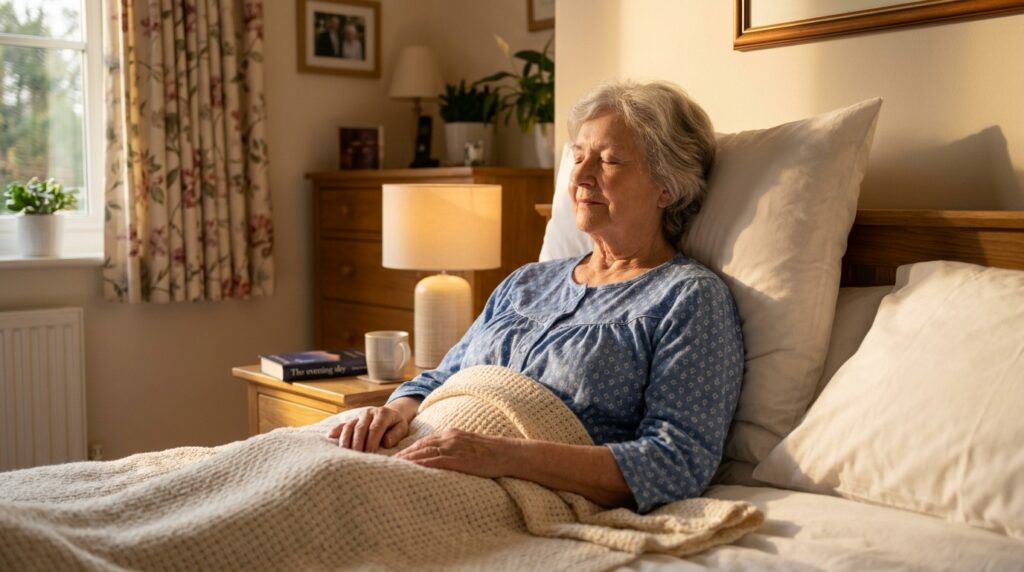
- Sleep patterns naturally shift with age, leading to lighter, more fragmented rest.
- Poor sleep can affect heart health, immune function, mood, and memory.
- Simple daily habits can meaningfully support better rest.
- Senior living communities offer structured routines and personalized care that help promote healthy sleep.
- Good sleep supports independence, energy, and overall well-being.
Why Sleep Matters More Than You Think
You wake up at 3 a.m. for no clear reason. You toss and turn, stare at the ceiling, and finally drift off just before the alarm goes off. Sound familiar? Sleep struggles are incredibly common as you get older, but that doesn’t mean you have to accept them as just part of life.
Sleep plays a central role in how you feel, think, and move every single day, and understanding why it changes can help you take real steps toward getting better rest.
Why Sleep Changes as You Age
As you get older, your body’s internal clock naturally shifts. You may find yourself getting sleepy earlier in the evening and waking up earlier in the morning, even when you’d rather sleep in. The deep, restorative stages of sleep become shorter, and lighter sleep takes up more of the night.
That’s why even a full eight hours can leave you feeling like you barely rested. Learning more about how sleep changes with age can help you make sense of what your body is going through.
Retirement can also quietly disrupt your sleep more than you’d expect. Without a set schedule pulling you out of bed each morning, it’s easy to drift into irregular sleep habits. You might stay up later, nap more during the day, or simply lose the rhythm that once kept your nights consistent. These shifts can quietly chip away at the quality of your rest over time.
How Poor Sleep Affects Your Health
Physical Health Connections
When your body doesn’t get enough quality sleep, it shows up physically in ways you can feel. Your immune system has a harder time doing its job, leaving you more vulnerable to illness. Your heart works under greater strain, and your energy levels drop, making even simple tasks feel heavier than they should.
One of the less obvious risks is an increased chance of falls. When you’re running on poor sleep, your balance and reaction time aren’t quite as sharp. A moment of grogginess in the hallway at night can turn into something much more serious, which is why restful nights truly matter for staying active and safe.
Mental and Emotional Well-Being
Sleep doesn’t just affect your body. It shapes your mood, your memory, and your ability to focus. After a rough night, small frustrations can feel much bigger, and it’s harder to stay emotionally steady throughout the day. Over time, consistently poor rest can leave you feeling more anxious or low without an obvious reason why.
Memory and mental sharpness are also tied closely to sleep. Your brain processes and organizes information while you rest, so when sleep is fragmented, that work doesn’t get done as well. You might notice it’s harder to recall names, follow conversations, or stay focused on a task you’d normally breeze through. Learning about how the aging brain affects thinking can offer some helpful perspective here.
Simple Habits That Support Better Sleep
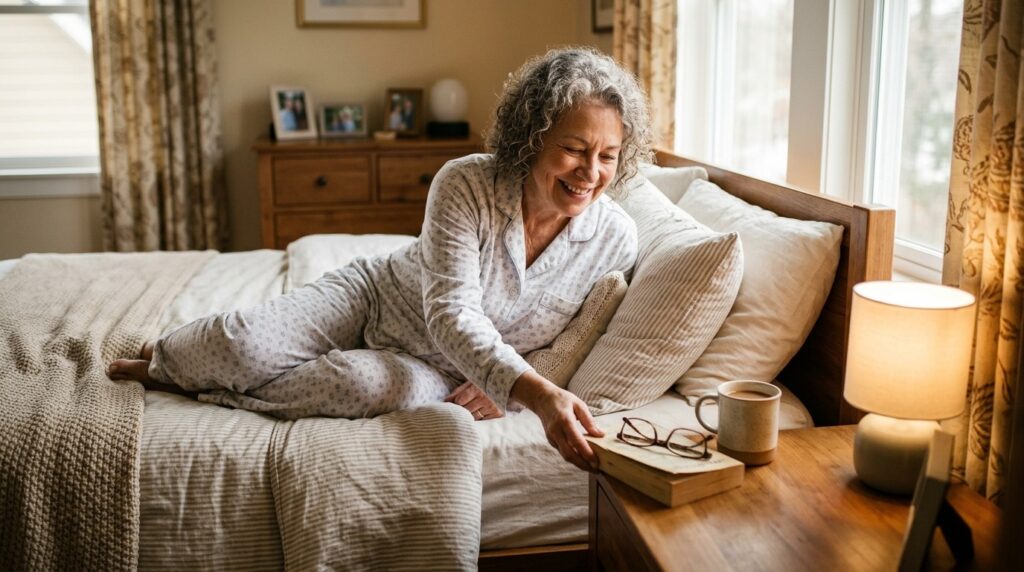
The good news is that small, consistent changes can make a real difference. You don’t need to overhaul your entire lifestyle. A few intentional habits, practiced regularly, can help your body settle into a healthier rhythm:
- Go to bed and wake up at the same time every day, even on weekends.
- Get outside for a short walk or some fresh air and gentle movement each day.
- Limit screen time and caffeine in the hours leading up to bedtime.
- Keep your bedroom cool, quiet, and as comfortable as possible.
These habits work best when they become part of a routine rather than occasional efforts. Consistency is really what signals your body that it’s time to wind down. Pairing these habits with the right active senior lifestyle can make an even bigger difference in how well you rest each night.
How Senior Living Supports Healthy Sleep
Structured Daily Routines
One of the quiet benefits of senior living communities is the natural structure built into each day. Scheduled activities, mealtimes, and social programs create a consistent rhythm that supports healthier sleep patterns. When your days have a shape to them, your nights tend to follow.
Social engagement also plays a role here. Spending time with others, joining group programs, and staying active during the day help reduce the restlessness and stress that can make falling asleep harder at night. Taking a look at the community events calendar gives a real sense of how full and engaging daily life can be.
Personalized Care and Comfort
In assisted living and memory care settings, care plans can be tailored to address individual sleep needs. Whether someone needs extra support at night, specific comfort adjustments, or gentle encouragement toward a healthier routine, the care team is there to help.
Comfortable, homey suites also make a genuine difference. When your space feels warm and familiar, your body and mind can relax more easily, setting the stage for the kind of rest that actually restores you.
Rest Well and Live Fully
Good sleep isn’t a luxury. It’s one of the most meaningful things you can do to support your independence, your energy, and your joy. Small changes in your daily habits can lead to real improvements in how you feel each morning.
At The Legacy of Saint Michael, the approach to independent living, assisted living, and memory care is built around helping residents truly thrive, and that includes supporting restful, restorative sleep every night. If you’re curious about how life here can support your well-being, a personal tour is a wonderful place to start.